Product Overview
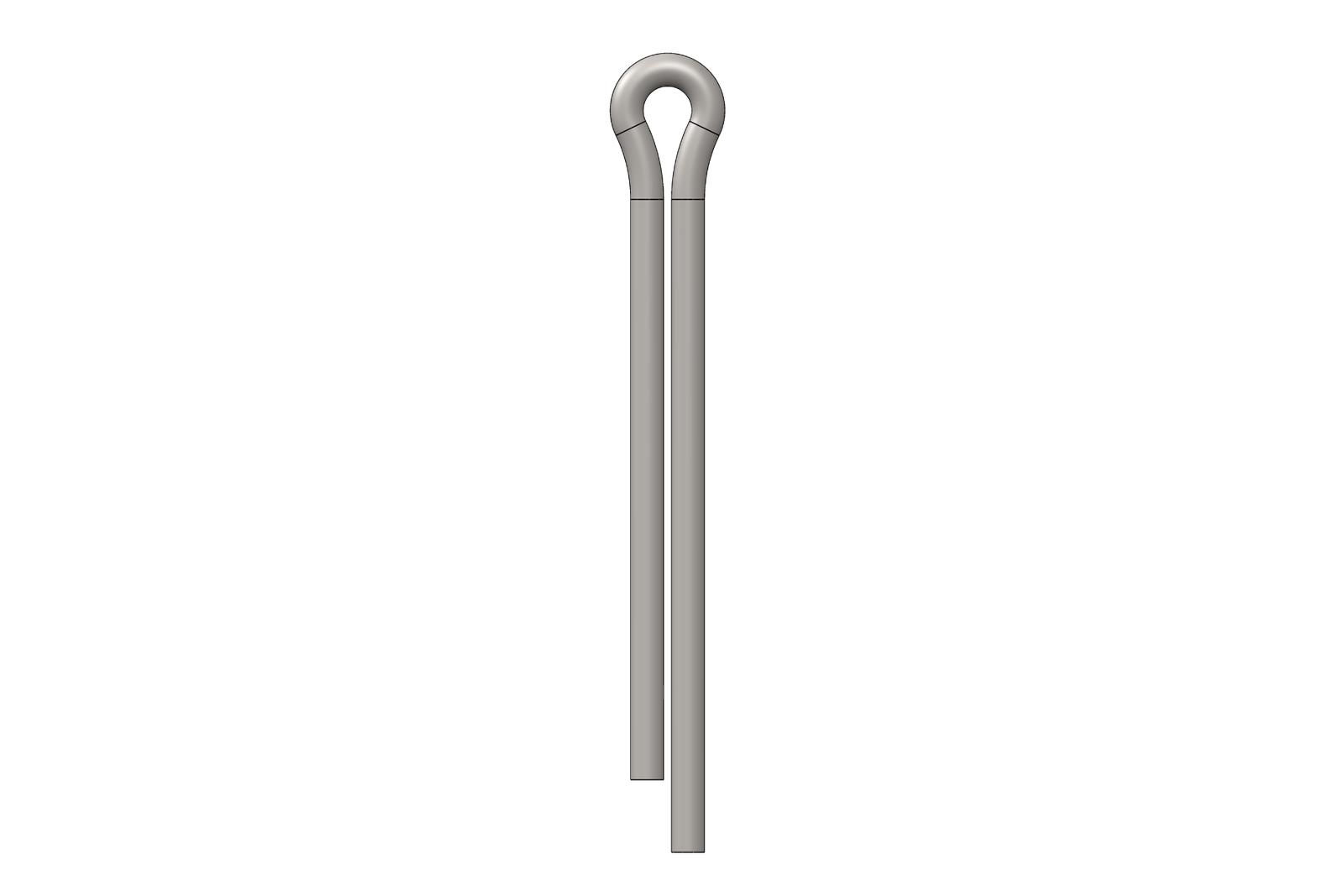
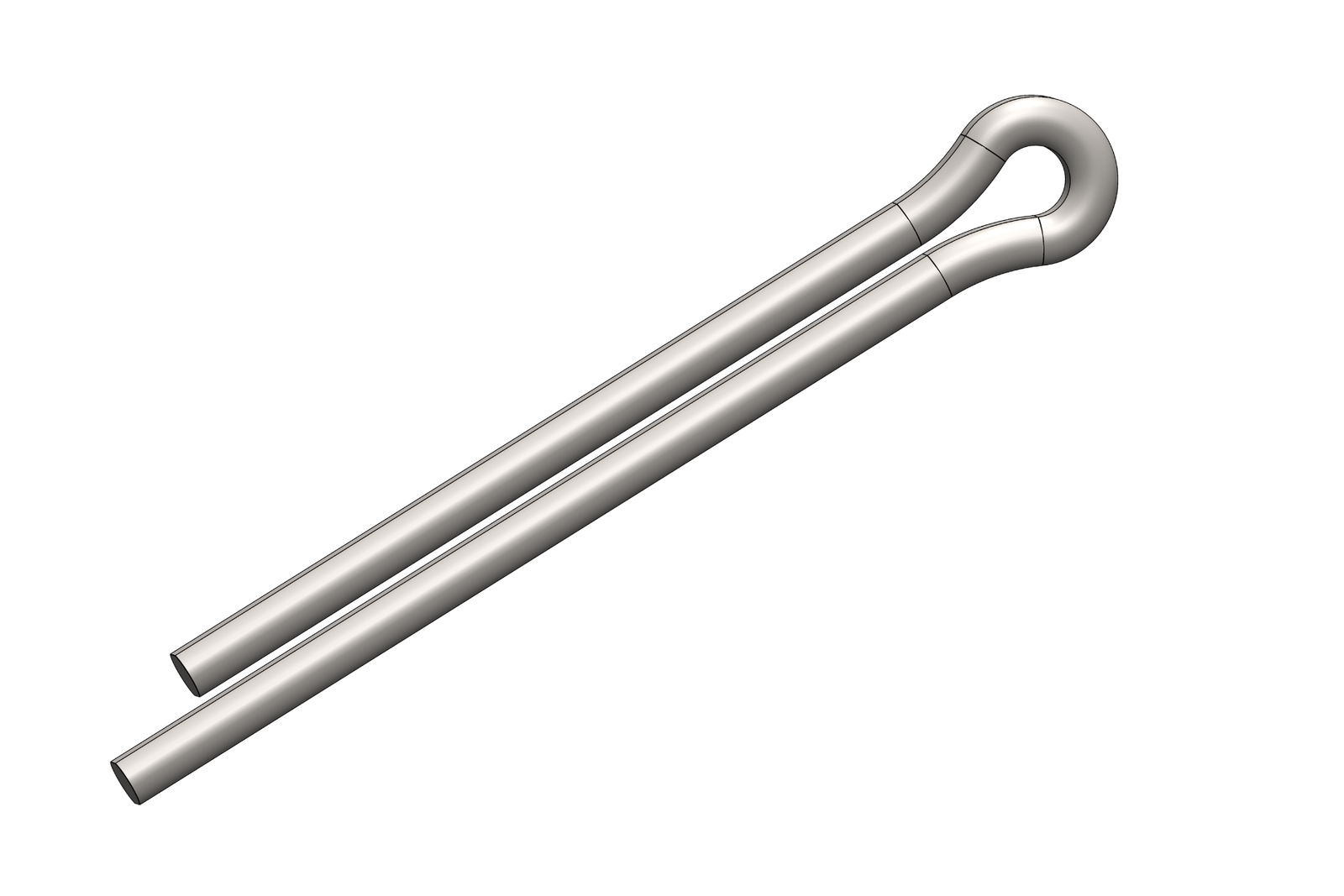
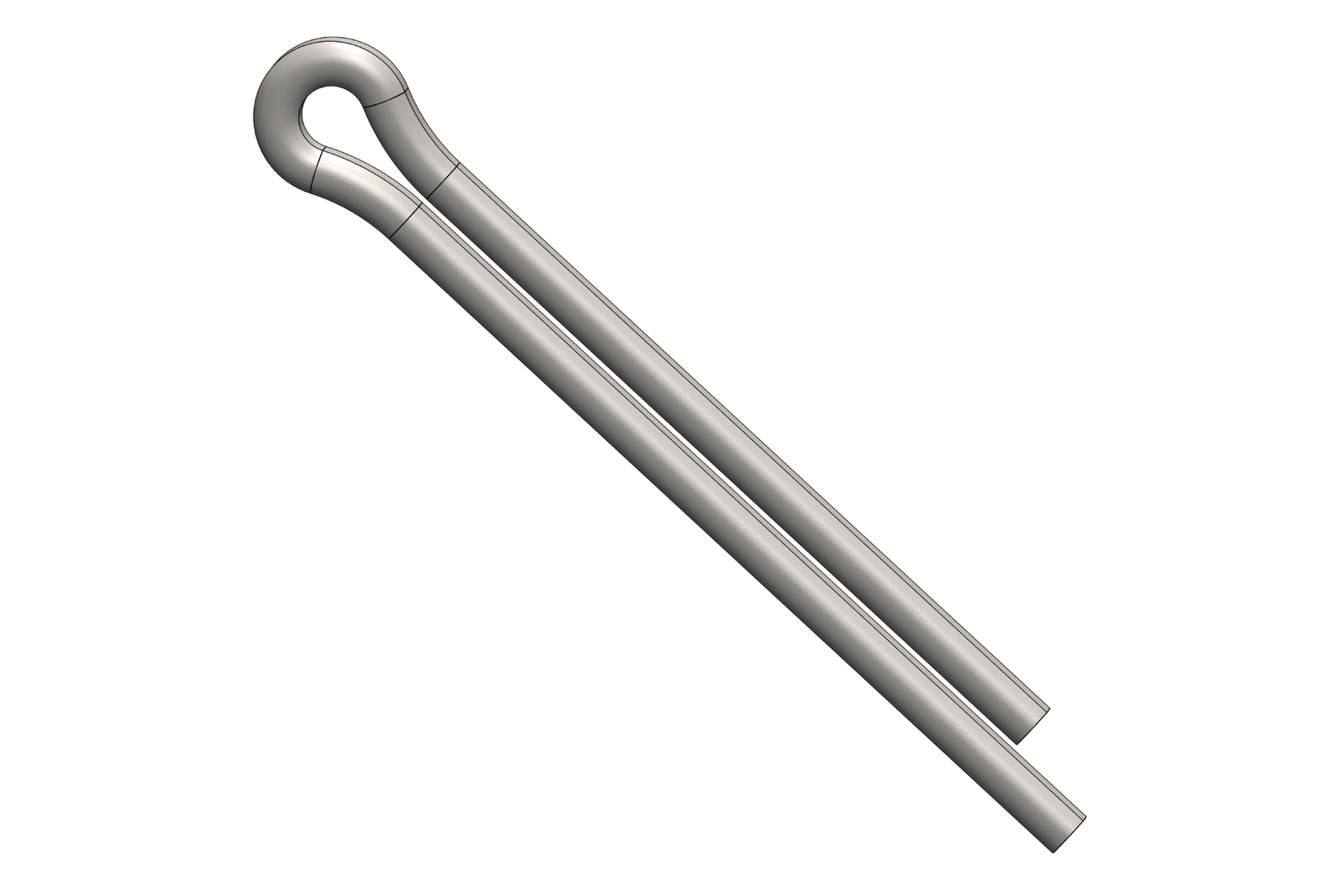
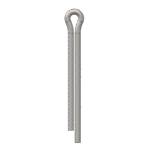
The D1 Cotter Pin is designed for reliable fastening and secure locking in mechanical assemblies, ensuring durability and performance in both industrial and automotive applications.
Design Features
- High-Strength Material: Manufactured from premium-grade steel for superior tensile strength and resistance to bending
- Corrosion Resistant Finish: Zinc-plated or stainless steel options provide long-lasting protection against rust
- Precision Design: Uniform shape and accurate dimensions ensure a perfect fit in a variety of bolt and shaft applications
- Easy Installation: Simple insertion and bending for secure locking and quick assembly
- Versatile Use: Suitable for machinery, automotive, and general engineering applications
Technical Specifications
| Item |
Cotter Pin |
| Product Description |
Cotter Pin |
| Material |
Steel |
| Coating |
Uncoated |
| Standard |
Spring Steel / SS-304 |
Installation Guidelines
Preparation
Ensure all components, such as bolts, nuts, and shafts, are clean, free from debris, and properly aligned before inserting the cotter pin. Select the appropriate pin size according to the hole diameter and material strength requirements.
Installation Steps
- Insert the cotter pin through the pre-drilled hole in the bolt or shaft until the head rests firmly against the part surface
- Ensure the pin legs are evenly extended on both sides for proper balance
- Using pliers, bend one leg of the pin around the bolt or shaft to lock it securely in place
- Optionally, bend both legs in opposite directions for added security in high-vibration applications
- Verify that the bent legs are flush with the surface to prevent interference with moving parts
Common Applications
- Municipal Water Distribution: Provides access to curb stops and shut-off valves for residential and commercial water connections
- Residential Plumbing Systems: Used for water service line control between main supply and individual properties
- Commercial Complexes: Enables maintenance and operation of underground water service lines
- Industrial Facilities: Facilitates control of process water or utility supply lines
- Irrigation Networks: Protects and provides access to valves used in landscape or agricultural irrigation systems