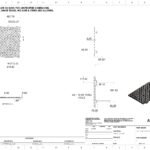
Product Overview
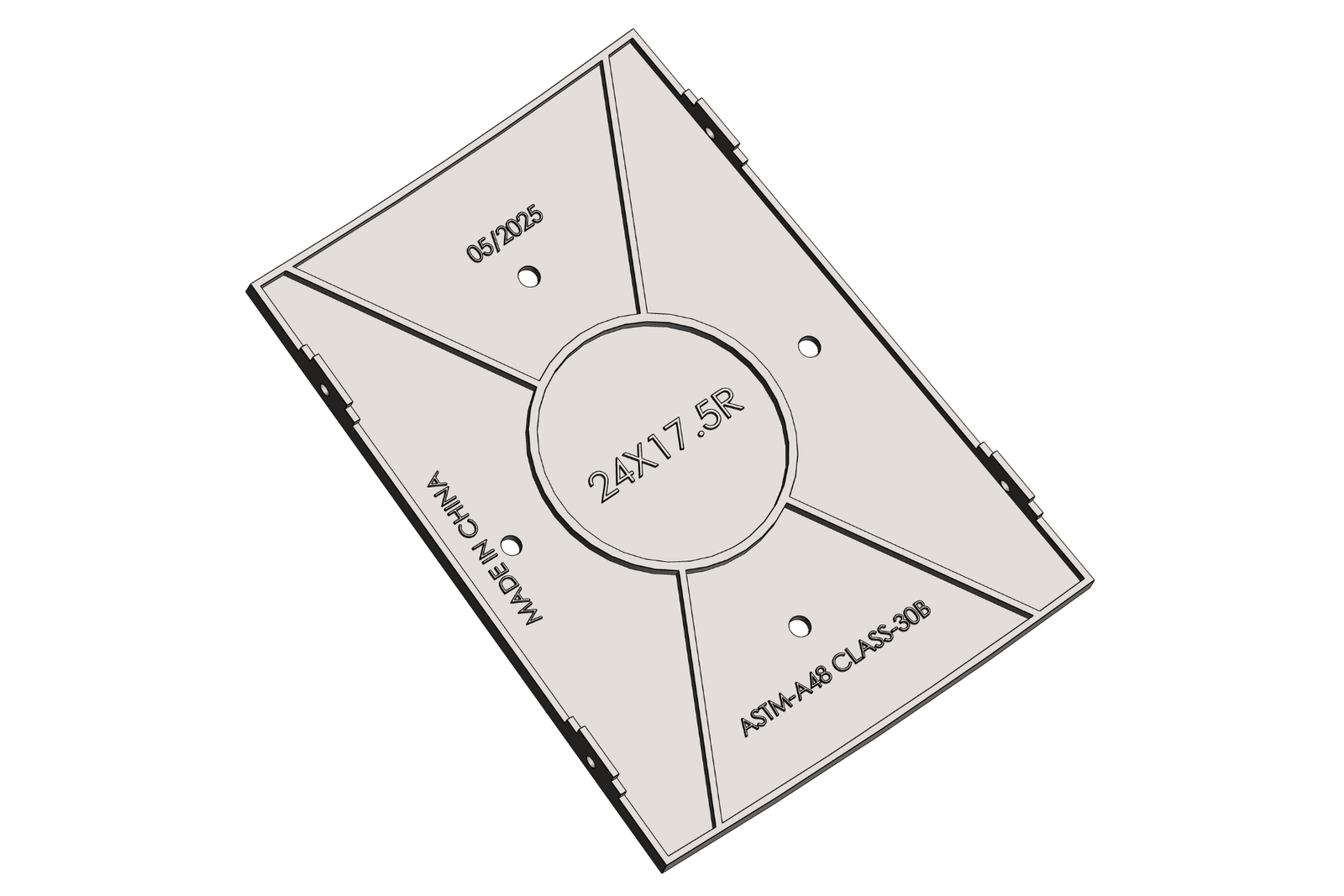
The Detectable Warning Plates are engineered to provide a durable, slip-resistant surface. They serve as a crucial safety feature by alerting visually impaired pedestrians to potential hazards and pathway transitions. These plates ensure both safety and full compliance with accessibility standards.
Design Features
- Durable Construction: Manufactured from high-quality materials for long-lasting performance in high-traffic areas.
- Slip-Resistant Surface: Provides excellent traction to prevent slips and falls in wet or dry conditions.
- Accessibility Compliance: Fully meets ADA and other accessibility standards for pedestrian safety.
- Visual & Tactile Warning: Raised dome design alerts visually impaired pedestrians to surface transitions or hazards.
- Easy Installation: Designed for quick and secure installation on various surfaces including concrete and asphalt.
Technical Specifications
| Item |
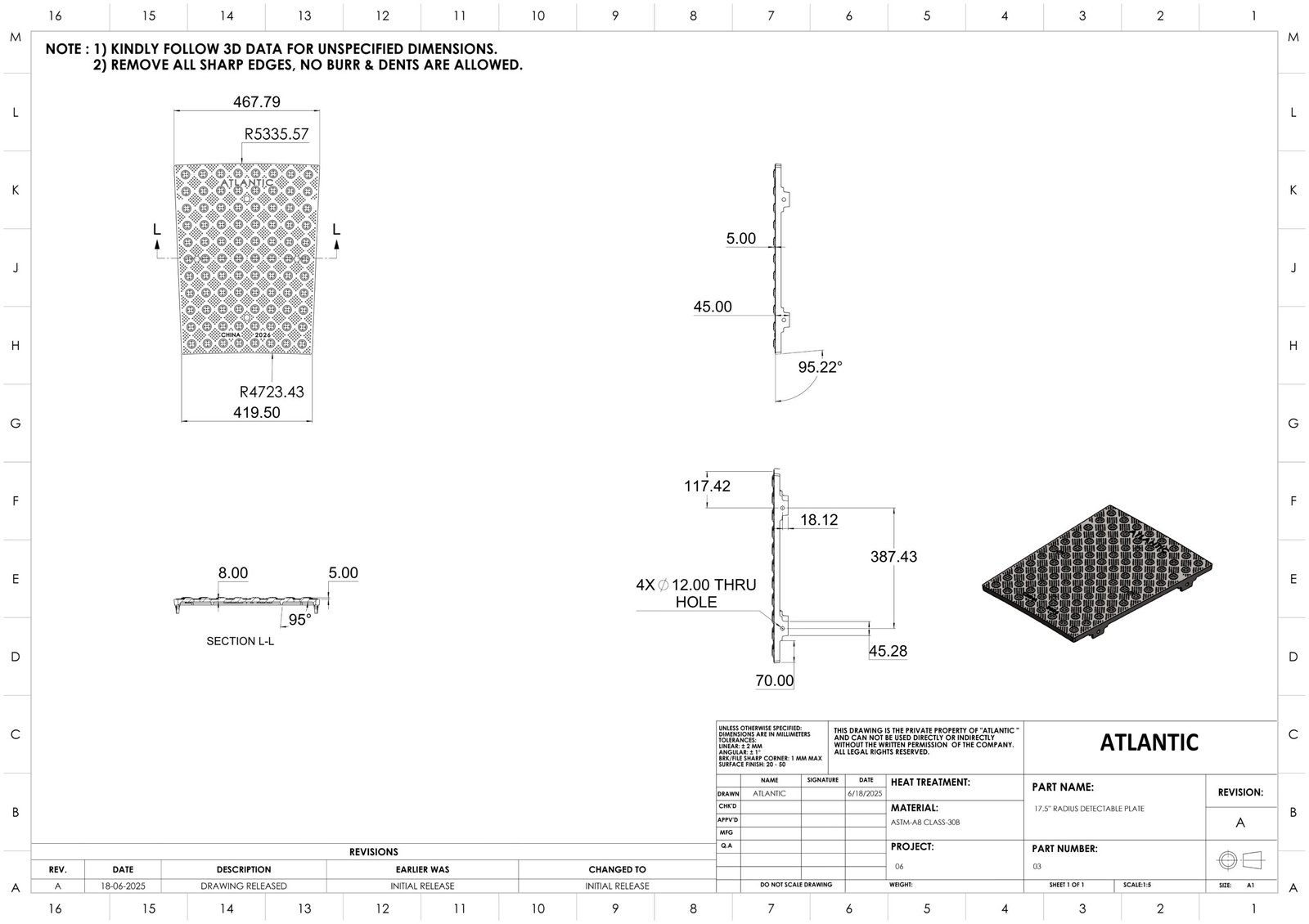
24x17.5 Radius |
| Product Description |
24x17.5 Radius |
| Material |
Cast Iron |
| Coating |
Asphalt |
| Standard |
ASTM A48 Class 30B |
Installation Guidelines
Preparation
Ensure the installation area is clean, level, and free of debris. Verify that the surface meets local accessibility and safety standards before installation.
Installation Steps
- Mark the designated installation area according to project specifications.
- Clean and prepare the substrate surface to ensure proper adhesion and fit.
- Apply an approved adhesive or fastener system suitable for the substrate material.
- Position the Detectable Warning Plate carefully, aligning it with existing walking surfaces and transitions.
- Press firmly or secure mechanically to ensure full contact and stability.
- Allow adhesive or fasteners to cure or set according to manufacturer recommendations before opening to pedestrian traffic.
Maintenance
Perform routine inspections to ensure the plates remain securely attached and free from damage or debris. Clean surfaces with mild detergent and water as needed, and replace any damaged plates to maintain safety and compliance.
Common Applications
- Pedestrian Walkways: Installed at crosswalks and pathway transitions to alert visually impaired pedestrians.
- Transit Platforms: Used along rail and bus station edges for enhanced safety awareness.
- Curb Ramps: Placed at street intersections to indicate the boundary between sidewalks and roadways.
- Parking Areas: Installed near accessible parking zones and building entrances for ADA compliance.
- Public Facilities: Applied in plazas, parks, and government buildings to improve accessibility and pedestrian safety.